Nourishing, Wholesome, and Delightfully Different
I first whipped up this Spaghetti Squash Chow Mein on a chilly evening when I was craving something comforting yet light. With the squash’s tender strands soaking up the savory sauce and mingling with vibrant veggies, it quickly became a favorite at my dinner table. The ease of preparation made it even more appealing, allowing me to enjoy delicious flavors without spending hours in the kitchen.
The moment this dish hits the table, the aroma fills the room with a warmth that instantly makes everyone feel at home. It’s perfect for cozy dinners with family or an intimate date night where you want to impress without overwhelming yourself. Watching loved ones savor each bite brings such joy, making it a go-to recipe for any occasion.
To elevate your Spaghetti Squash Chow Mein experience, consider serving it alongside some crispy spring rolls or a refreshing side salad drizzled with sesame dressing. A sprinkle of crushed peanuts or green onions on top adds a delightful crunch that perfectly complements the dish. So grab your ingredients and let’s create a meal that not only nourishes but also warms the heart!
What are Spaghetti Squash Chow Mein?
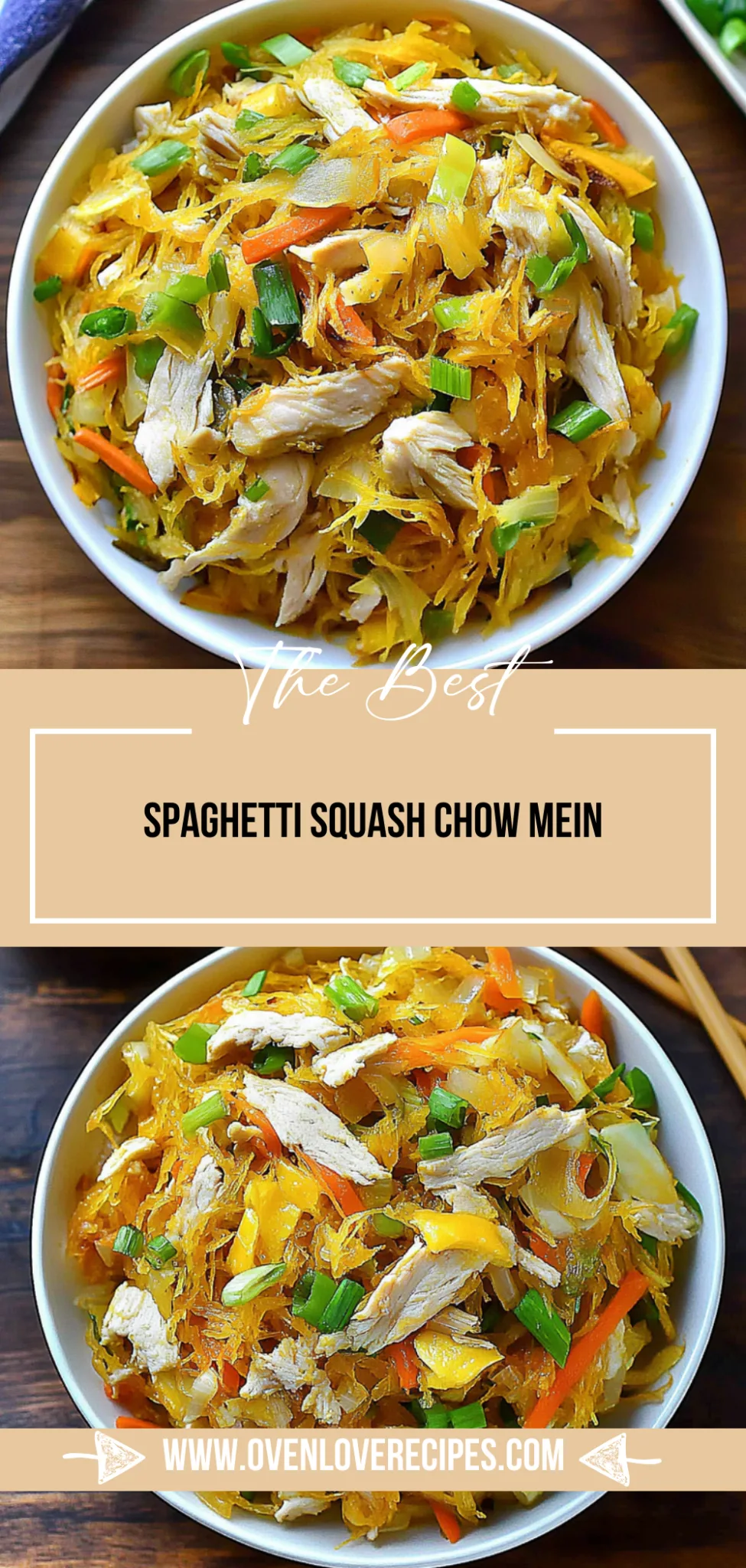
Spaghetti Squash Chow Mein is a delightful and healthy reinterpretation of the classic stir-fried noodle dish, featuring tender strands of spaghetti squash as the base instead of traditional noodles. This vibrant dish is packed with a colorful medley of sliced bell peppers, julienned carrots, crisp snap peas, and fresh green onions, all tossed together in a savory sauce made from low-sodium soy sauce, sesame oil, rice vinegar, ginger, and garlic. The result is a satisfying combination of textures, with the spaghetti squash offering a slightly crunchy yet tender bite that beautifully absorbs the bold flavors of the sauce. Prepared in a single skillet, this dish not only simplifies cleanup but also makes for an easy weeknight meal that can be customized with proteins like tofu for added heartiness.
Perfect For:
Busy Weeknights: Whip up this Spaghetti Squash Chow Mein in about 30 minutes, making it a perfect go-to for those hectic evenings when you want something nutritious without spending hours in the kitchen.
Budget-Friendly Meals: Enjoy all the savory flavors of traditional chow mein while saving money, as spaghetti squash is an affordable and versatile ingredient that allows you to create a delicious meal without breaking the bank.
Family Dinners: This recipe is packed with vibrant veggies and can easily be scaled up to feed a crowd, making it an ideal choice for family gatherings or potluck dinners where everyone will leave satisfied.
Impressive Dinner Dates: With its colorful presentation and unique twist on a classic dish, this Spaghetti Squash Chow Mein is sure to impress your special someone during a cozy dinner at home.
Spaghetti Squash Chow Mein Ingredients
For the Spaghetti Squash Base
- 1 medium spaghetti squash (halved and seeds removed) – This serves as a healthy, noodle-like base that absorbs the savory sauce beautifully.
For the Vegetables
- 1 cup bell pepper (sliced) – Adds a sweet crunch and vibrant color to your dish.
- 1 cup carrots (julienned) – Contributes natural sweetness and a delightful texture.
- 1 cup snap peas (trimmed) – These provide a fresh, crisp bite that’s rich in nutrients.
- 1 cup green onions (chopped) – Offers a mild onion flavor that brightens up the entire chow mein.
For the Sauce
- 3 tablespoons soy sauce (low sodium) – This adds umami depth without overpowering the dish’s flavors.
- 1 tablespoon sesame oil – Infuses a nutty aroma that complements the vegetables perfectly.
- 1 tablespoon rice vinegar – Provides a tangy kick to balance the richness of the sauce.
- 1 teaspoon ginger (grated) – Adds warmth and spice, enhancing the overall flavor profile.
- 1 clove garlic (minced) – Imparts a robust flavor that elevates the dish to new heights.
For the Protein (Optional)
- 1 cup tofu (cubed and pressed) – A great plant-based protein option that soaks up all the delicious flavors of the Spaghetti Squash Chow Mein.
Kitchen Equipment You’ll Need
- Baking sheet
- Fork
- Large skillet
- Sharp knife
- Cutting board
- Measuring spoons
How to Make Spaghetti Squash Chow Mein
Step 1:
Preheat your oven to 400°F (200°C). While it’s heating up, take your medium spaghetti squash and carefully halve it lengthwise. Scoop out the seeds and place the squash cut side down on a baking sheet. Roast it in the oven for about 30-40 minutes until it’s tender and easily pierced with a fork.
Step 2:
Once the spaghetti squash is cooked and has cooled for a moment, grab a fork and gently scrape the flesh to create spaghetti-like strands. This will give you that delightful texture we’re going for! Set these strands aside while you move on to the next steps.
Step 3:
In a large skillet, heat up 1 tablespoon of sesame oil over medium heat. Add the minced garlic and grated ginger to the pan, sautéing them together for about 1-2 minutes until they’re fragrant and aromatic. You’ll know it’s ready when your kitchen starts to smell amazing!
Step 4:
Now, add in your sliced bell pepper, julienned carrots, and trimmed snap peas to the skillet. Stir-fry these colorful vegetables for about 5-7 minutes until they become tender-crisp. You want them vibrant and slightly crunchy—this will keep the dish fresh and satisfying.
Step 5:
With your vegetables perfectly cooked, it’s time to add those lovely spaghetti squash strands into the skillet. Pour in 3 tablespoons of low-sodium soy sauce and 1 tablespoon of rice vinegar, tossing everything together gently until well combined. This is where all those savory flavors come together beautifully!
Step 6:
If you’ve decided to include tofu, now’s the time to add it in! Gently stir in your cubed and pressed tofu and let it warm through for another 2-3 minutes. Keep an eye on it; you want everything heated nicely but not overcooked.
Step 7:
Finally, sprinkle your chopped green onions over the top as a fresh garnish just before serving. This adds a nice crunch and extra flavor to your dish. Enjoy your healthy twist on chow mein—you’ve earned it!
Tips for Making This Perfect
- Choose a ripe spaghetti squash: Look for a squash with a firm, yellow skin and no soft spots — this ensures the flesh will be sweet and tender after roasting, leading to better texture in your chow mein.
- Cut vegetables uniformly: Slice bell peppers and julienne carrots into similar sizes for even cooking. This technique prevents some pieces from becoming mushy while others remain crunchy, ensuring a harmonious bite.
- Adjust cooking time based on heat level: If your skillet is too hot, vegetables can burn before they soften. Keep the heat at medium to allow even cooking and maintain that ideal tender-crisp texture.
- Add sauce gradually: Pour in the soy sauce and rice vinegar slowly while tossing the ingredients. This helps ensure every strand of spaghetti squash and vegetable is evenly coated, maximizing flavor in each bite.
- Don’t overcrowd the skillet: If you’re adding tofu, cook it separately first or use a larger pan. Overcrowding can lead to steaming instead of sautéing, impacting both texture and flavor.
- Garnish generously with green onions: Adding chopped green onions just before serving not only enhances presentation but also contributes a fresh, crisp flavor that elevates the dish.
- Serve immediately for best texture: Spaghetti squash can become watery if left to sit too long after cooking. Enjoy your chow mein right away for the best experience!
Optional Ingredients
- Crushed red pepper flakes: Add a pinch for a delightful kick that elevates the dish’s flavor profile and complements the savory sauce beautifully.
- Sliced mushrooms: Incorporate shiitake or button mushrooms for an earthy depth and a meaty texture that rounds out the veggie medley. Simply sauté them with the other vegetables.
- Fresh cilantro: Sprinkle chopped cilantro on top before serving to introduce a burst of freshness and vibrant color, enhancing both aroma and taste.
- Lime juice: A squeeze of fresh lime juice adds zesty brightness, balancing the richness of the sesame oil and soy sauce while bringing a refreshing twist to each bite.
- Peanut sauce: Drizzle a bit of creamy peanut sauce over your chow mein for a nutty flavor that perfectly complements the vegetables and adds an indulgent creaminess.
What to Pair with Spaghetti Squash Chow Mein?
For a refreshing contrast to the savory flavors of Spaghetti Squash Chow Mein, consider serving a fresh salad. A light cucumber and avocado salad tossed in a zesty lime vinaigrette would nicely complement the dish, adding a cool crunch that balances the warmth of the chow mein. The creaminess of the avocado harmonizes with the sesame oil used in your main dish, while the crisp cucumbers provide a refreshing bite.
Steamed or roasted vegetables can enhance your meal with additional textures and flavors. Try serving up some lightly steamed broccoli or roasted Brussels sprouts drizzled with sesame oil and sprinkled with sesame seeds for a nutty finish. These vegetables not only add vibrant color to your plate but also echo the Asian-inspired flavor profile, creating a cohesive dining experience.
If you’re in the mood for comfort food, consider adding a side of jasmine rice or cauliflower rice to your meal. The mild, fragrant notes of jasmine rice provide a lovely backdrop to the bold flavors of your chow mein, allowing you to savor each bite fully. Cauliflower rice offers a low-carb alternative that absorbs the delicious sauce beautifully, making it a satisfying addition without overshadowing your main dish.
To round out your meal, pair it with a light drink like green tea or sparkling water infused with citrus. Green tea’s subtle earthiness complements the ginger and garlic in your chow mein, enhancing its umami depth. Alternatively, sparkling water with lemon or lime adds a refreshing effervescence that cleanses the palate between bites, making every mouthful enjoyable.
Variations and Substitutions
Zucchini Noodles instead: Swap out the spaghetti squash for spiralized zucchini for a lighter, low-carb alternative. Zucchini noodles add a fresh, mild flavor and cook quickly, making this version perfect for a quick weeknight meal.
Shrimp for protein: Replace tofu with shrimp for a delightful seafood twist. Sauté the shrimp until pink and opaque before adding them to the vegetables; they bring a juicy texture and subtle sweetness that complements the savory sauce beautifully.
Broccoli for snap peas: Use chopped broccoli florets in place of snap peas for a heartier bite. Broccoli holds up well during stir-frying, adding a slightly earthy flavor and an excellent source of fiber and vitamins.
Peanut Sauce infusion: Instead of the soy sauce and rice vinegar, try using peanut sauce for a rich, creamy variation. This swap adds a nutty flavor profile that pairs wonderfully with the vegetables and can be garnished with crushed peanuts for extra texture.
Cauliflower Rice base: For a grain-free option, substitute the spaghetti squash with cauliflower rice. This will create a different texture but remains light and healthy while absorbing flavors from the sauce beautifully.
Spicy Sriracha kick: Add a tablespoon of Sriracha or your favorite hot sauce to elevate the dish’s heat level. This simple addition transforms the chow mein into a fiery delight that’s sure to satisfy spice lovers.
Mushrooms for depth: Incorporate sliced mushrooms instead of carrots for an umami-rich flavor. Mushrooms add a meaty texture that complements the other vegetables while enhancing the overall taste profile with their earthy notes.
To store your Spaghetti Squash Chow Mein in the refrigerator, allow it to cool completely before transferring it to an airtight container. It will keep well for up to 4 days. When you’re ready to enjoy it again, reheat in a skillet over medium heat, adding a splash of water or broth to restore moisture and prevent sticking, or microwave in short intervals until heated through.
This dish does freeze well but may experience some texture changes, particularly with the vegetables becoming a bit softer after thawing. To freeze, portion the chow mein into freezer-safe containers or bags and remove as much air as possible. It will maintain good quality for about 2-3 months; thaw overnight in the refrigerator before reheating on the stove or in the microwave until warmed throughout.
Your Questions Answered
Can I use a different vegetable instead of snap peas?
Yes, you can substitute snap peas with other vegetables such as broccoli florets or zucchini. Just make sure to adjust the cooking time slightly to ensure all vegetables are tender-crisp.
How do I know when the spaghetti squash is done roasting?
The spaghetti squash is done roasting when it is fork-tender and the flesh easily shreds into strands. You can test it by inserting a fork into the flesh; if it pulls apart easily, it’s ready to be scraped.
Can I prepare the spaghetti squash in advance?
Absolutely! You can roast the spaghetti squash ahead of time and store it in an airtight container in the refrigerator. It will stay fresh for up to four days, making meal prep easier.
Is there a way to make this dish gluten-free?
Yes, simply substitute soy sauce with gluten-free tamari or coconut aminos. This will ensure your Spaghetti Squash Chow Mein remains delicious while accommodating gluten-free dietary needs.
What other proteins can I add besides tofu?
In addition to tofu, you could use cooked chicken, shrimp, or tempeh for added protein. Just make sure any pre-cooked protein is heated through before serving for best results.
Can I use frozen vegetables for this recipe?
Yes, you can use frozen vegetables if you’re short on time. Just remember that they may release more moisture during cooking, so stir-fry them a bit longer until they are heated through and tender.
How can I adjust the flavor if I prefer a spicier dish?
To add some heat to your Spaghetti Squash Chow Mein, incorporate red pepper flakes or sriracha into the sauce. Start with a small amount and adjust according to your taste preference for the perfect kick!


Leave a Comment