Colorful, Nourishing, and Absolutely Delicious
I first made this Korean Beef Bibimbap Bowl on a chilly evening when I craved something warm and vibrant. As the sizzling beef hit the pan, the aroma wafted through my kitchen, instantly filling it with a sense of comfort and anticipation. It’s such an easy dish to prepare, yet bursting with layers of flavor and texture that dance on your palate.
What truly makes this bibimbap special is its beautiful medley of colors and inviting smells that can turn any meal into a celebration. The moment I placed it on the table, my family’s eyes lit up in delight, making it perfect for cozy dinners or even a fun date night at home. Each bite is an explosion of taste that brings everyone together, making it feel like a warm hug in bowl form.
To elevate your Korean Beef Bibimbap Bowl experience, consider serving it with a side of kimchi or pickled vegetables for that extra zing. You can also add a sprinkle of sesame seeds or some fresh greens for an added crunch. Trust me, once you take that first flavorful bite, you’ll be counting down the days until you can make it again!
What are Korean Beef Bibimbap Bowl?
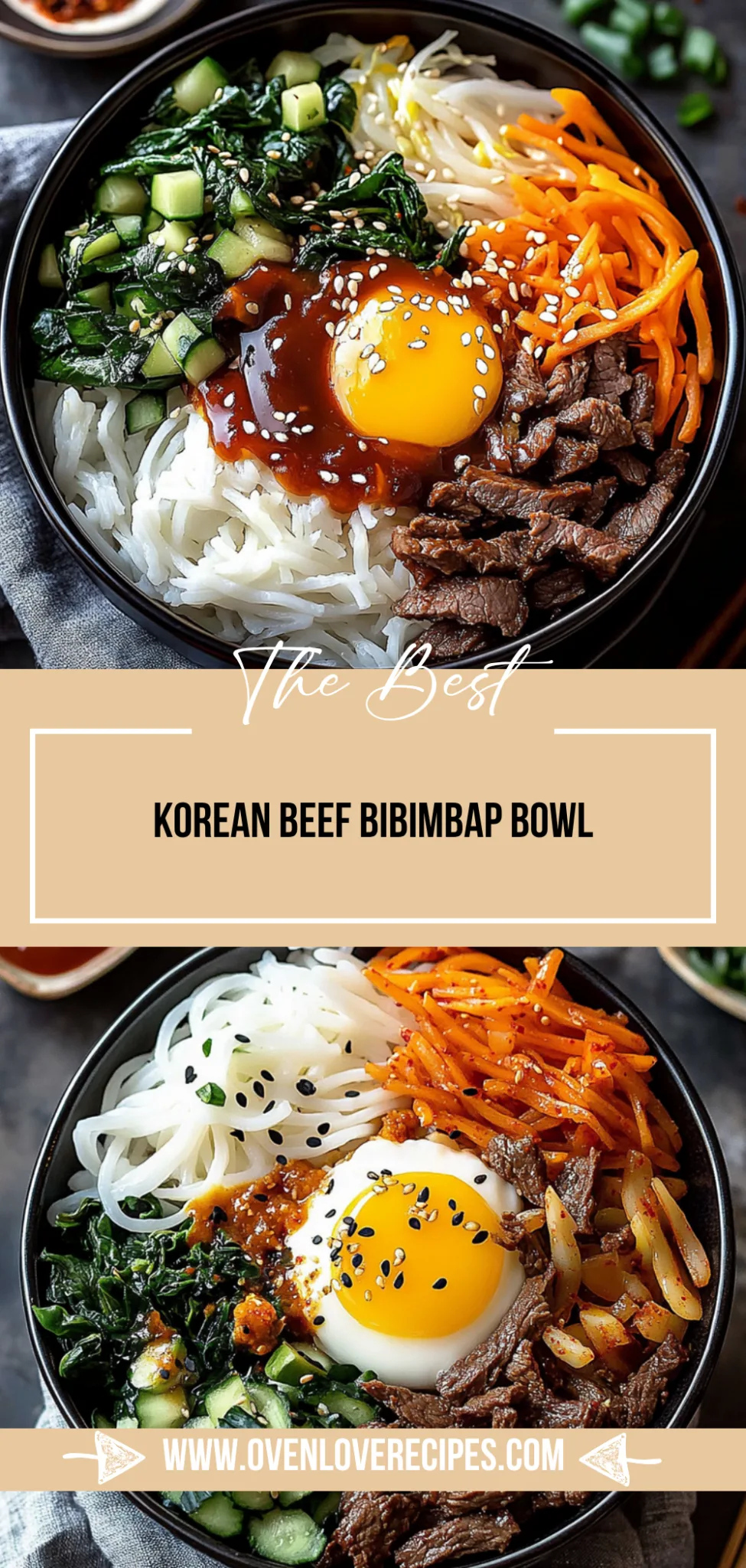
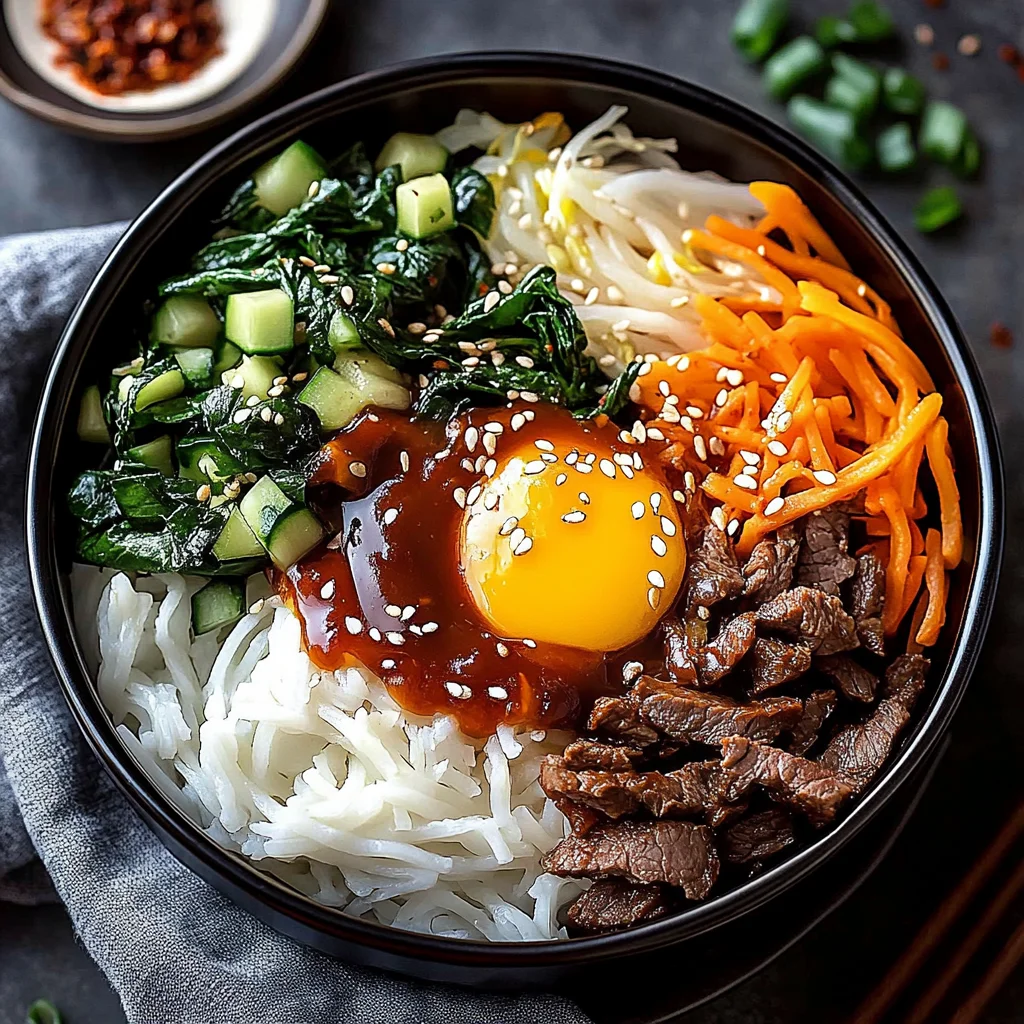
Korean Beef Bibimbap Bowl is a delightful and colorful dish that beautifully combines seasoned ground beef, vibrant vegetables, and a perfectly fried egg served over a bed of short grain rice. This one-pan meal features tender beef marinated with soy sauce, sesame oil, brown sugar, minced garlic, ginger, and black pepper, which creates a savory and slightly sweet flavor profile. The dish is complemented by the crisp textures of blanched spinach, julienned carrots, zucchini, and bean sprouts, offering a satisfying contrast to the juicy beef. Prepared in a skillet for easy cooking and cleanup, this bibimbap bowl is not only flavorful but also a breeze to assemble, making it an ideal choice for both busy weeknights and special occasions.
Perfect For:
Busy Weeknights: With its quick prep and cook time, this Korean Beef Bibimbap Bowl is a fantastic solution for those hectic evenings when you need a delicious meal on the table in under 30 minutes.
Budget-Friendly Feasting: Enjoy steakhouse-quality flavor right at home without breaking the bank. This recipe uses affordable ingredients that pack a punch, making it perfect for delicious dining on a budget.
Family Gatherings: This dish is easily scalable, so whether you’re feeding just your immediate family or hosting friends, everyone will love customizing their bowls with their favorite toppings.
Impressive Date Night: Elevate your dinner experience with this vibrant bibimbap! Its colorful presentation and delightful flavors make it an ideal choice for a romantic evening in.
Korean Beef Bibimbap Bowl Ingredients
For the Marinade
- 1 lb ground beef (preferably sirloin) – This cut provides the perfect balance of flavor and tenderness for our bibimbap.
- 3 tbsp soy sauce (low sodium) – Enhances the savory taste without overwhelming the dish with salt.
- 1 tbsp sesame oil – Adds a rich, nutty flavor that complements the beef beautifully.
- 1 tbsp brown sugar – Balances the savory elements, giving a hint of sweetness to the marinade.
- 2 cloves garlic (minced) – Infuses the beef with aromatic depth and robust flavor.
- 1 tsp ginger (grated) – Offers a warm, spicy note that brightens up the dish.
- 1 tsp black pepper – Provides a subtle kick to enhance all the flavors.
For the Vegetables
- 1 cup spinach (blanched) – Adds vibrant color and essential nutrients to your bowl.
- 1 carrot julienned – Offers a sweet crunch that contrasts nicely with the other ingredients.
- 1 zucchini julienned – Light and refreshing, it complements the other vegetables well.
- 1 cup bean sprouts (blanched) – Gives a satisfying crispness and is packed with vitamins.
- 4 green onions sliced – Adds a fresh, mild onion flavor that brightens up each bite.
- 1 tbsp vegetable oil (for sautéing) – Prevents sticking while cooking and enhances vegetable flavors.
For Rice and Toppings
- 2 cups cooked rice (short grain preferred) – The base of your bibimbap, providing a hearty foundation for all toppings.
- 4 large eggs (fried) – A sunny-side-up egg adds richness and creaminess to each serving of bibimbap.
- 2 tbsp gochujang (Korean chili paste) – Brings heat and umami, transforming your bowl into an unforgettable meal.
- 1 tbsp sesame seeds (for garnish) – Provides a delightful crunch and nutty flavor to finish off your bibimbap bowl beautifully.
Kitchen Equipment You’ll Need
- Large non-stick or cast-iron skillet
- Mixing bowl
- Sharp knife
- Cutting board
- Tongs or a spatula
- Measuring spoons
How to Make Korean Beef Bibimbap Bowl
Step 1:
In a mixing bowl, combine the ground beef with soy sauce, sesame oil, brown sugar, minced garlic, grated ginger, and black pepper. Mix everything together thoroughly until the beef is well coated in the marinade. Allow it to marinate for at least 15 minutes; this will enhance the flavors and tenderize the meat.
Step 2:
Heat a skillet over medium-high heat and add the marinated beef to the pan. Cook it for about 5-7 minutes, stirring occasionally until it’s browned and cooked through. You’ll know it’s ready when there are no pink spots left and it smells deliciously savory. Once cooked, remove the skillet from heat.
Step 3:
In the same skillet, add vegetable oil and toss in the julienned carrots and zucchini. Sauté these vegetables for about 3-4 minutes until they become tender but still have a nice crunch. Keep an eye on them; you want them to be vibrant in color while they cook.
Step 4:
Next, add the blanched spinach and bean sprouts to the skillet with the sautéed vegetables. Continue cooking for an additional 2 minutes, stirring gently to combine everything. Season with a pinch of salt to enhance their natural flavors.
Step 5:
Now it’s time to assemble your bibimbap! Start by placing a serving of cooked rice at the bottom of a bowl. This will be your base where all those wonderful ingredients will come together.
Step 6:
On top of your rice, layer on the cooked beef followed by the sautéed vegetables. To finish off this colorful creation, gently place a fried egg right in the center. The runny yolk will add a creamy richness that ties everything together beautifully.
Step 7:
Finally, drizzle gochujang over your assembled bibimbap for that signature spicy kick. Sprinkle sesame seeds and sliced green onions on top for garnish before serving. Enjoy this delightful dish that bursts with flavor and texture!
- Marinate for flavor: Allowing the beef to marinate for at least 15 minutes helps the flavors from the soy sauce, sesame oil, and spices penetrate the meat, resulting in a more flavorful and tender bite.
- Use high heat for cooking: Cooking the marinated beef over medium-high heat ensures a good sear, which enhances the overall flavor and texture. A nice browning creates that rich umami taste we love in bibimbap.
- Blanch vegetables correctly: Blanching spinach and bean sprouts before sautéing keeps them vibrant and crisp, preserving nutrients and ensuring they don’t become soggy when mixed with the rice.
- Don’t overcrowd the skillet: When sautéing carrots and zucchini, avoid overcrowding to ensure even cooking. This prevents steaming and promotes caramelization, enhancing their natural sweetness.
- Fry eggs just right: For perfectly cooked fried eggs, heat your oil until hot but not smoking. This results in crispy edges while keeping the yolk runny, which adds a delightful richness to your bibimbap bowl.
- Mix gochujang to taste: Start with a small amount of gochujang before serving, allowing everyone to adjust spiciness according to their preference. This way, you cater to different tastes without overwhelming the dish.
- Garnish before serving: Top with sesame seeds and sliced green onions just before serving; this adds a fresh crunch and visual appeal that elevates the dish’s presentation.
Optional Ingredients
- Feta cheese: Crumble over your bibimbap for a creamy, tangy contrast that enhances the savory flavors of the beef and vegetables.
- Sriracha sauce: Drizzle this spicy condiment on top for an extra kick of heat that brings a delightful zing to each bite.
- Kimchi: Add a scoop of this fermented Korean side dish for a crunchy texture and a burst of umami flavor, making your bibimbap even more authentic.
- Lime wedges: Serve alongside your bowl to squeeze fresh juice over the dish, adding brightness and acidity that elevates the overall taste profile.
- Toasted nori strips: Sprinkle these thin seaweed strips on top for a hint of oceanic flavor and a satisfying crunch that complements the rice and beef beautifully.
What to Pair with Korean Beef Bibimbap Bowl?
To start your meal on a fresh note, consider serving a light salad alongside your Korean Beef Bibimbap Bowl. A simple cucumber salad dressed with rice vinegar and sesame oil complements the dish beautifully, offering a crisp, refreshing contrast to the richness of the seasoned beef and egg. Additionally, a radish salad can add a delightful crunch and a bit of tanginess, enhancing the overall flavor profile while balancing the savory elements of the bibimbap.
For those looking to incorporate additional vegetables into their meal, steamed broccoli or sautéed bok choy are excellent choices. Both vegetables have subtle flavors that won’t overpower the bibimbap but will provide an enjoyable textural contrast. The slight bitterness of steamed broccoli can enhance the umami notes in the beef marinade, while bok choy’s tender leaves add a fresh bite that rounds out each mouthful.
If comfort is what you’re after, consider pairing your bibimbap with some fluffy garlic bread or even a side of creamy mashed potatoes. The buttery richness of garlic bread is perfect for soaking up any leftover gochujang sauce from your bowl, while mashed potatoes can provide a smooth texture that balances the crunchy veggies. These sides add a satisfying element to your meal without overshadowing the vibrant flavors of your bibimbap.
To wash it all down, try serving a chilled glass of Korean beer or a refreshing iced green tea. The crispness of Korean beer helps cleanse the palate between bites, while iced green tea offers a soothing counterpoint to the dish’s spice and richness. For dessert, consider enjoying some mochi or sweet red bean buns; their subtle sweetness provides a lovely finish that ties together the whole dining experience.
Variations and Substitutions
Ground turkey instead: Swap out the ground beef for lean ground turkey to create a lighter version of this bibimbap bowl. The turkey absorbs the marinade flavors beautifully while offering a slightly milder taste, making it an excellent option for those looking to reduce red meat intake.
Cauliflower rice instead: For a low-carb twist, substitute traditional rice with cauliflower rice. This swap not only lowers the carbohydrate count but also adds a delightful texture and allows the vibrant flavors of the beef and vegetables to shine through without the heaviness of regular rice.
BBQ sauce in the marinade: Give your bibimbap an exciting BBQ twist by replacing brown sugar with your favorite BBQ sauce in the beef marinade. This will infuse the dish with smoky and sweet flavors, creating a fusion of Korean and American tastes that’s sure to impress your guests.
Tofu for vegetarians: Replace the ground beef with crumbled firm tofu for a vegetarian-friendly version of bibimbap. Marinate the tofu in the same mixture as directed, then sauté until golden. The result is a protein-rich dish that retains all the delicious seasonings while providing a satisfying plant-based alternative.
Spicy kimchi topping: For those who love heat, consider adding spicy kimchi as an additional topping. This fermented side brings tangy spice to your bibimbap bowl, enhancing both flavor complexity and probiotics for gut health, making it a zingy enhancement you won’t want to miss.
Mushroom medley instead of veggies: Use a mix of shiitake, portobello, and cremini mushrooms in place of some or all of the vegetables. Sautéed mushrooms offer a rich umami flavor that complements the seasoned beef beautifully while adding depth to your bibimbap experience.
Coconut aminos for soy sauce: For a soy-free option, replace soy sauce with coconut aminos in the marinade. This alternative provides a sweeter, milder flavor profile while still delivering that savory essence essential to bibimbap, making it perfect for those with dietary restrictions or sensitivities.
To store your Korean Beef Bibimbap Bowl in the refrigerator, allow it to cool to room temperature before transferring it to an airtight container. This dish will keep well in the fridge for up to 3 days. When reheating, add a splash of water or broth to restore moisture and heat gently in the microwave or on the stovetop until warmed through, ensuring that the fried egg stays intact.
While this dish can be frozen, be aware that the texture of some ingredients, like the vegetables and fried egg, may change upon thawing. To freeze, portion out servings into freezer-safe containers or bags, making sure to remove as much air as possible. It will maintain its best quality for up to 2 months in the freezer; when ready to enjoy, thaw overnight in the refrigerator and reheat thoroughly before serving.
FAQ
Can I use a different type of meat for this bibimbap?
Yes, you can substitute the ground beef with other proteins such as ground chicken, turkey, or even tofu for a vegetarian option. Just ensure you adjust the cooking time accordingly for different meats to achieve the desired doneness.
How do I keep the beef tender while cooking?
To keep the beef tender, avoid overcooking it. Cook the marinated beef just until browned and fully cooked through, about 5-7 minutes over medium-high heat. Marinating the beef beforehand also helps to enhance its tenderness and flavor.
Can I prep the vegetables in advance?
Absolutely! You can wash, chop, and even blanch the vegetables a day ahead of time. Store them in airtight containers in the refrigerator until you’re ready to sauté them for your bibimbap.
Is it possible to make this dish gluten-free?
Yes, you can easily make this Korean Beef Bibimbap gluten-free by using tamari instead of soy sauce and ensuring that your gochujang is gluten-free. Always check labels when purchasing these ingredients.
How spicy is this recipe with gochujang?
This recipe is moderately spicy due to the gochujang. If you’re sensitive to heat, start with less than the recommended amount and gradually add more according to your taste preference.
Can I use frozen vegetables for this recipe?
Yes, frozen vegetables can be used in place of fresh ones. Just thaw them before sautéing and adjust the cooking time as needed to ensure they are heated through and tender.
Do I need to parboil the rice before cooking it?
No, you do not need to parboil short-grain rice before cooking. Simply rinse it under cold water to remove excess starch, then cook it according to package instructions for perfectly fluffy rice.
Korean Beef Bibimbap Bowl
Ingredients
Method
- In a mixing bowl, combine ground beef with soy sauce, sesame oil, brown sugar, garlic, ginger, and black pepper. Mix well and let marinate for at least 15 minutes.
- Heat a skillet over medium-high heat and cook the marinated beef until browned and cooked through, about 5-7 minutes. Remove from heat.
- In the same skillet, add vegetable oil and sauté the carrots and zucchini for about 3-4 minutes until tender.
- Add the blanched spinach and bean sprouts, cooking for an additional 2 minutes. Season with a pinch of salt.
- In a bowl, place a serving of cooked rice at the bottom.
- Top with the cooked beef, sautéed vegetables, and a fried egg.
- Drizzle with gochujang and sprinkle with sesame seeds and sliced green onions before serving.



Leave a Comment